Finding the right insurance agency in Hammond matters more than price alone. Whether you are buying car insurance for the first time, switching agents after a life change, or checking a State Farm quote against independent carriers, the agency you choose shapes how claims are handled, how coverage gaps are spotted, and how straightforward everyday tasks feel. This guide draws on decades of industry experience working with clients, adjusting expectations based on local market realities, and translating policy language into practical choices.
Why Hammond is a different market than a big city Hammond sits close enough to larger metropolitan areas to feel competitive, but small enough that most agencies rely on repeat business and personal relationships. That changes the dynamic. Agents here often wear many hats: retail sales, claims assistance, commercial lines specialty, and community outreach. You will find both national-brand offices and small locally owned agencies. National carriers bring product depth and digital tools; local agencies offer granular knowledge of neighborhood risk factors like flood-prone streets, older construction, or commuting patterns that affect premium costs.
Common services offered by insurance agencies in Hammond An agency in Hammond usually covers these core areas: personal auto, homeowner or renter, life, and small-business/commercial lines. Within those categories, expect a range of add-on services and product variations.

Personal auto insurance is the most requested service. Agencies help with liability and physical damage coverage, and with add-ons such as roadside assistance, rental reimbursement, and gap coverage for leased vehicles. Typical liability minimums for drivers vary by state law, but most advisors recommend at least 100/300/100 for bodily injury and property damage if you want meaningful protection. Deductible options for collision and comprehensive commonly range from $250 to $1,000; choosing a higher deductible lowers premium but requires having cash set aside if you need to file a claim.
Homeowner and renter policies require careful reading. Older homes in Hammond can have specific underwriting challenges: outdated wiring, older roofs, and proximity to waterways influence policy availability and cost. Agencies can often arrange endorsements for sewer backup, ordinance and law coverage for older homes, and scheduled personal property for high-value items like jewelry or collectibles. For renters, agencies explain liability exposure for damages to neighbors, and whether a policy covers temporary housing if a unit becomes uninhabitable.
Small-business coverage in Hammond tends to cluster around retail, food service, construction contractors, and professional services. General liability, commercial property, business interruption, and workers compensation are fundamental. Many agencies will bundle a Business Owner Policy when appropriate, which can be more economical for small operations.
Life and supplemental insurance are usually offered through the same storefront or via partner agents. Term life remains the most affordable and straightforward option for income replacement, while whole life and universal policies are positioned as long-term planning tools. Disability insurance, both short-term and long-term, is often overlooked but can be crucial for self-employed residents or those without robust employer benefits.
How to evaluate an agency beyond price Price is the easiest comparison point, but not the only one that matters. Start by assessing responsiveness. When you call or email, does the agency return messages the same day? Does the person you speak to explain policy limits, exclusions, and why a certain coverage is recommended? An agency that treats you like a number will often leave you vulnerable during a claim.
Second, look for local claims advocacy. A good agency helps navigate the claims process: documenting losses, liaising with adjusters, and following up until repairs or settlements conclude. Ask for examples. Reputable agents will describe past claims they managed and the steps they took to protect clients' interests.
Third, check financial strength and carrier choice. Agencies that represent multiple carriers offer comparison shopping and tailored fits. Agencies tied to a single carrier can be efficient if that carrier matches your needs, but they limit alternatives. You can check carrier strength through ratings agencies such as AM Best or Standard & Poor's when considering long-term insurers.
Fourth, examine technology and convenience. Do they offer online policy access, digital ID cards, and mobile claim submission? Not every agency will be cutting-edge, and that's acceptable if they make up for it with strong personal service. For many Hammond residents, the ability to speak with a real person who knows their claim history outweighs slick apps.
Reading and interpreting reviews Online reviews tell you how an agency behaves after business hours. Look for patterns rather than single-star incidents. A cluster of complaints about slow claims handling should ring louder than a one-off disagreement over a billing error. Pay particular attention to how the agency responds to negative reviews. A direct, solution-focused response shows accountability; ignoring complaints suggests systems gaps.
Local forums and neighborhood groups are valuable. Someone who had a recent water intrusion claim in a Hammond subdivision will share details that aggregated review sites miss. Ask neighbors about their deductible choices and which agents negotiated with contractors on their behalf.
Getting a State Farm quote in Hammond State Farm is often a reference point because of its national presence and agent-based model. Getting a State Farm quote follows the same practical steps as other carriers: provide personal details, driving history, vehicle information, and desired coverage levels. The local State Farm agent plays a central role. Agents personalize the package, recommend discounts like multi-policy or safe driver reductions, and explain endorsements not obvious on standard quotes.
When you compare a State Farm quote with alternatives, normalize coverages first. Two quotes that look different can actually reflect different deductibles, limits, or included endorsements. For example, State Farm might include certain accident forgiveness programs or usage-based insurance options that lower costs for low-mileage drivers. Conversely, an independent carrier might offer broader glass coverage or replacement cost on dwelling for homes in certain neighborhoods.
A pragmatic way to compare: pick three scenarios that matter to you and ask for quoted outcomes. Scenario one, a minor fender-bender with a $1,000 deductible. Scenario two, a total loss of a one-year-old vehicle. Scenario three, a slip-and-fall at your home resulting in medical payments to a neighbor. This forces agents to price comparable exposures and highlights which policy language matters.
Common discounts and eligibility Discounts exist but require documentation and behavior changes in some cases. Multi-policy discounts are widely available if you bundle auto and homeowner policies. Safe driver discounts hinge on clean driving records for typically three years or more. Low-mileage discounts benefit commuters who travel less than a specified yearly limit. Good student discounts are common for drivers under 25 who maintain a certain GPA. For State Farm specifically, ask about Drive Safe and Save programs that use telematics to offer usage-based discounts.

Realistically, a typical household that bundles auto and home, with a clean driving record and homeowners alarm system, can lower premiums by a combination of 10 to 30 percent depending on carrier and coverage levels. Exact savings vary, so treat that range as a practical benchmark rather than a promise.
A short checklist to bring to your first agency meeting
- driver license numbers and dates of birth for household drivers vehicle information including VIN, model year, and annual mileage estimates current policy declarations pages if you have existing coverage mortgage or deed information for homeowner policies, and recent loss history proof of any discounts (student transcripts, safety course certificates, or military ID)
How claims are handled locally, and what to expect Expect the unexpected with claims. The first 24 hours are the most crucial. Prompt documentation matters: take photos, collect witness names, and get an incident number from police or property managers. Your agent should help establish a timeline and submit initial claim notices on your behalf. In many Hammond cases, repair shops and adjusters know local contractors and materials pricing, which speeds repairs and keeps cost estimates realistic.
Payment timelines vary by carrier and claim complexity. Simple auto collision claims that have clear fault and documented estimates can move from notice to repair authorization within a week. Home claims involving contractor bids, structural assessments, or disputed liability can take months. Keep records of every communication and insist on written estimates for repairs. When settlements involve large sums, an independent public adjuster is an option, but that comes with fees. Evaluate whether the potential increase in recovery justifies the cost.
Choosing deductibles and balancing risk When selecting deductibles, match them to accessible cash reserves. A $1,000 deductible makes premiums lower, but without $1,000 readily available, a mid-range deductible like $500 becomes the pragmatic choice. For older vehicles, consider the vehicle's actual cash value versus the cost to repair. For cars worth less than $2,000, comprehensive and collision coverage can be more expensive than the likely recovery after a deductible. For homeowner policies, standard deductibles for named perils might be higher in some areas prone to storms, so consider separate wind or flood deductibles.
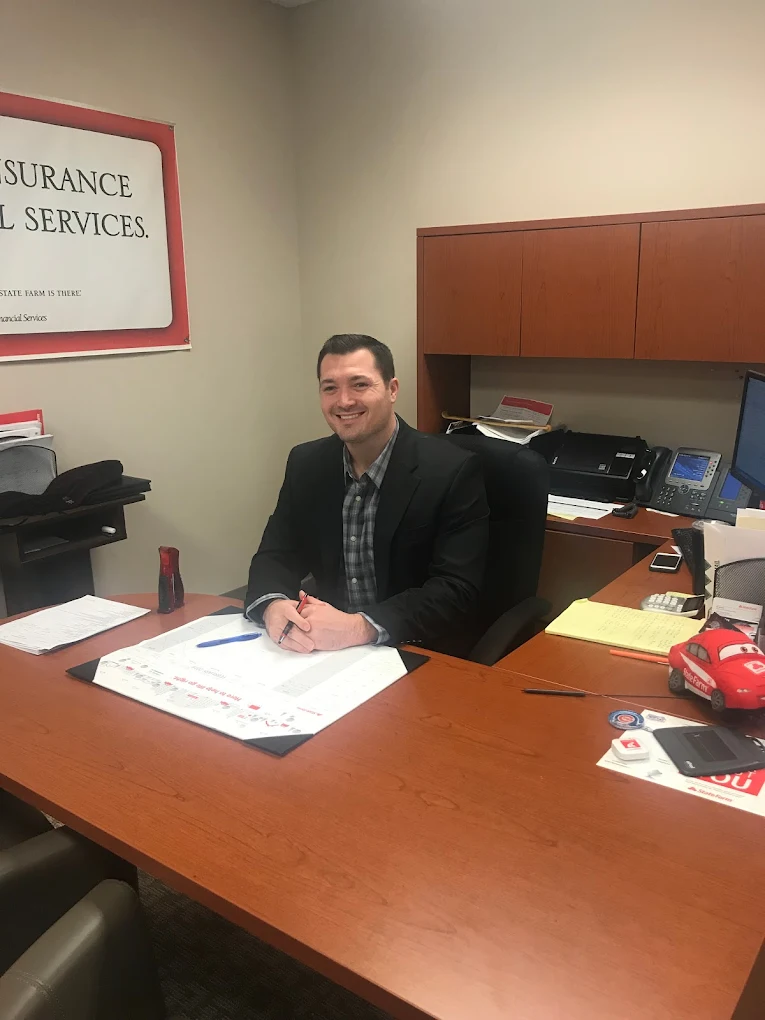
State farm agentCommon pitfalls and how to avoid them One common mistake is assuming any agent will automatically coordinate when you have multiple policies. Ask who will be your point person if a claim affects both auto and home. Another pitfall is ignoring policy exclusions until filing a claim. Read the exclusions section with your agent and ask for plain-language explanations. Third, people often underinsure personal property. Inventory high-value items and schedule them if necessary. Finally, do not assume the cheapest premium equals the best value. Lower premiums often reflect lower limits, narrower coverage forms, or higher out-of-pocket exposure.
An anecdote that illustrates trade-offs A young couple in Hammond bought a modest home and chose an agency that offered the lowest annual premium for a homeowner policy. After a severe rainstorm, the basement flooded. Their policy excluded sewer backup unless an endorsement was purchased. The agency had explained the endorsement options during the sale, but the couple opted out to save around 12 percent annually. The resulting out-of-pocket costs for cleanup and appliance replacement were several times their annual savings. They rewrote their coverage afterward, choosing higher limits and endorsements that matched neighborhood flooding risks. The lesson: savings matter, but matching coverage to the local risk profile matters more.
Evaluating State Farm agents vs independent agencies State Farm agents operate under a captive model. The advantage is consistent branding and product suite, and often deep training within the company. Local State Farm agents can negotiate within that framework, offer bundled discounts, and provide a standard set of endorsements. Independent agencies bring options. They can shop multiple carriers, which helps if you need niche coverage or favorable underwriting for unusual risks. Independent agents also sometimes have access to regional carriers that underwrite local risks more competitively.
In practice, choose based on complexity. For straightforward auto and homeowner needs, a State Farm agent can be efficient and transparent. For complex commercial exposures, older homes with unique construction, or specialty liabilities, an independent agent usually offers a better chance of finding a tailored product.
Questions to ask before signing a policy
- Who will be my primary contact during claims, and how are they reached after hours? Are there coverages or endorsements you recommend based on local Hammond risks? Can you show an example claim payout scenario for my proposed coverages? Which discounts will apply, what documentation is needed, and how long until they take effect? How often do you review policies proactively to ensure coverage keeps pace with my life changes?
A brief note on car insurance specifics Car insurance calculations consider driving history, vehicle safety features, age, and typical use. Newer cars often carry higher comprehensive and collision costs but may qualify for replacement cost endorsements that pay for a like-for-like new vehicle after a total loss for a set period. Older cars might be best insured with liability plus optional comprehensive only, depending on value. Telematics programs reward safe driving, but they require data collection; ask how that data is used and whether it affects long-term premium adjustments.
Common FAQs about local agencies What if I move to a neighboring county? Notify the agency promptly. Moving can change underwriting factors like commute distance and flood zone classifications. Some policies require endorsement or rewriting. How long does switching agencies take? Transfers can be quick if you have continuous coverage. Avoid gaps; a single day without coverage can have consequences for rates and underwriting. Can agencies help with non-insurance risk reduction? Good agents connect you with risk mitigation resources such as contractor referrals, home safety inspections, or fleet safety training for small businesses.
Final decision framework Pick an agency that balances accessibility, proven claims handling, and product fit for your situation. Use quotes as a starting point, then dig into policy language and local knowledge. Trust but verify: ask for written explanations of coverages that differ materially between carriers. Keep a simple inventory of important documents, update your agent when life changes occur, and expect a professional agency to make insurance feel less like a paperwork chore and more like practical protection.
If you want, I can help draft a list of tailored questions to ask a Hammond agency based on your exact situation, review a State Farm quote line by line, or outline what to bring to your first meeting depending on whether you are shopping for car insurance, homeowners, or business coverage.